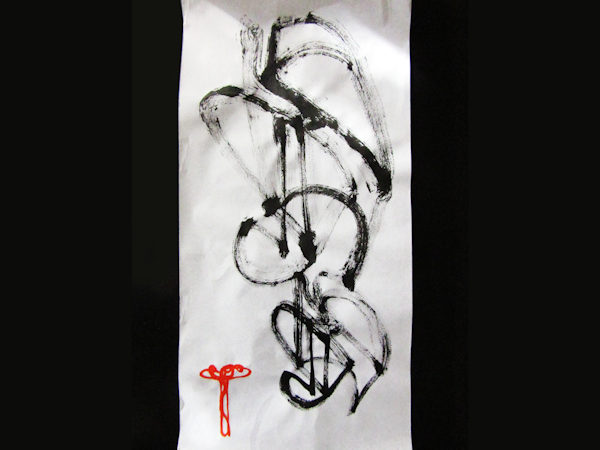

Eiichi Tosaki
Bimanual charting of duration and emerging rithms
Australian, born in Japan. Phd, Art History and Philosophy, Melbourne.
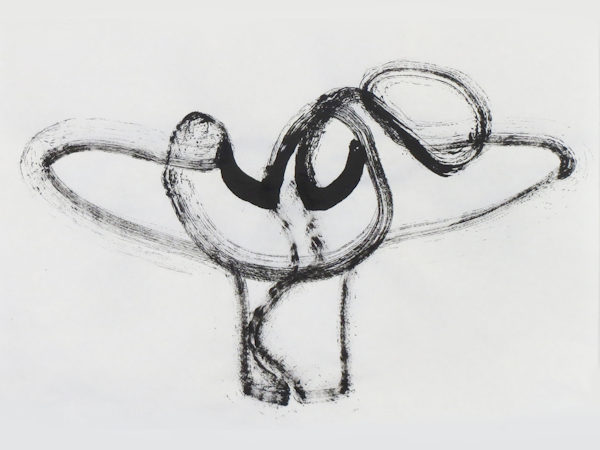
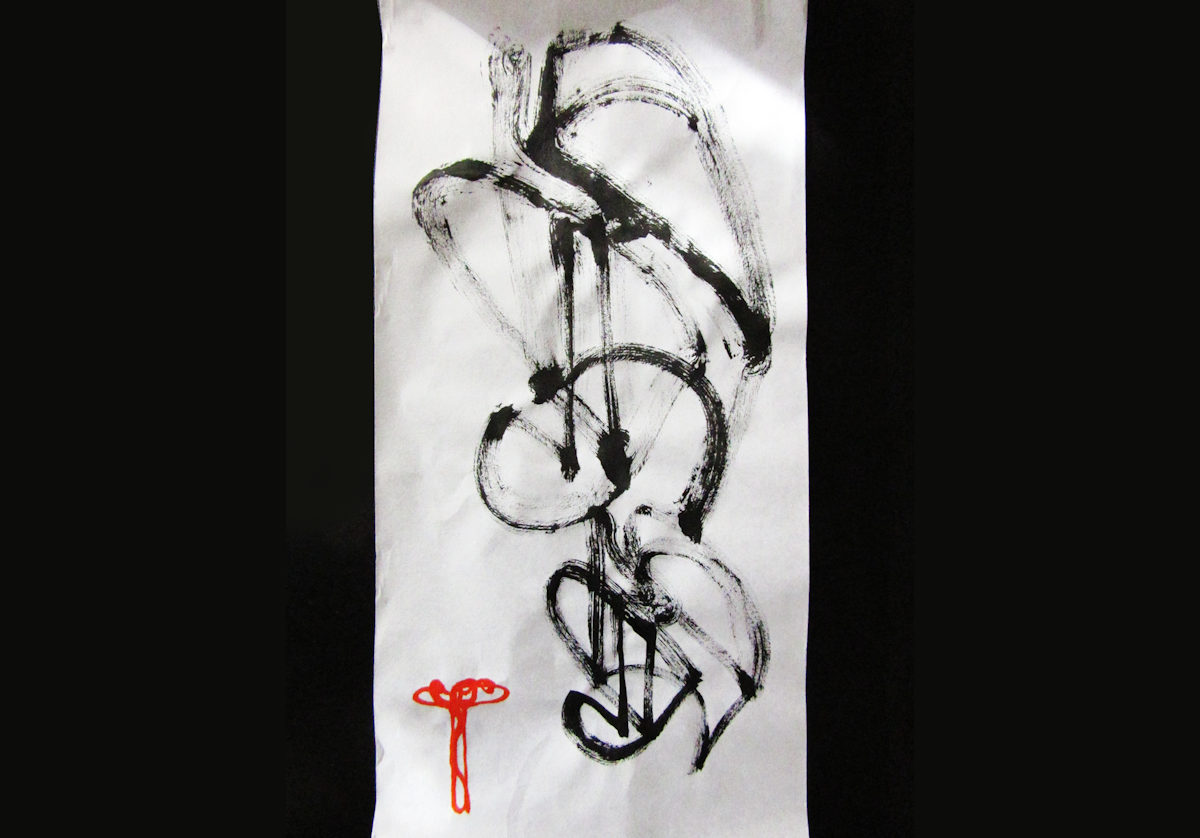
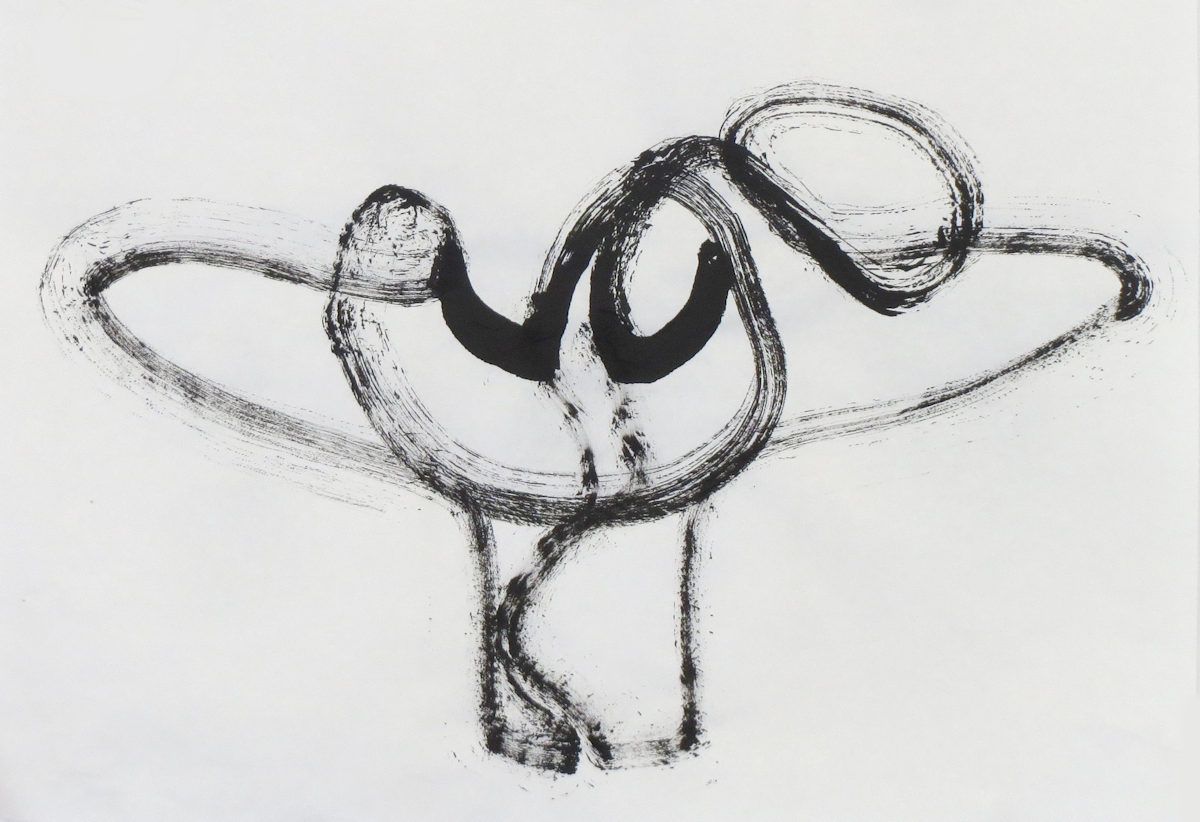
According to the traditional modernist view of visual arts and comparative aesthetics, an artwork is a physical object shaped in space. Fine art is considered a spatial art form that differs significantly from temporal forms such as music and dance. Eiichi Tosaki's work, however, follows the 20th-century shift in visual art that focuses on the phenomenological perspective of art creation. His conceptual abstract drawings follow different rules, where time is the critical element of the form, and the drawing is a trace of the duration. The successive bodily interaction with the medium, established on the heritage of Japanese calligraphy, is reinforced by the bimanual character of physical action and progressing traces.
Tosaki’s visual art is similar to dance; drawing is the document of the past motion and a trace of its duration. Drawing has always been a kind of dance, but Tosaki's drawing is peculiar as a metaphysical statement about becoming - about emerging of presence.